Non-adherence is the most common—and most overlooked—treatment failure. In patients with chronic diseases, it often goes unnoticed because it does not cause any immediate symptoms, and because the patient does not perceive it as a problem. Understanding why it occurs is essential to preventing it effectively.
A massive gap between reported adherence and actual adherence
The vast majority of older adults taking multiple medications believe they manage their treatments well. According to an exclusive OpinionWay survey conducted for Medissimo and Notre Temps in June 2023 among 630 people aged 60 and older who take at least five medications a day, 82 percent say they follow their doctor’s prescriptions very well, and 93 percent report having little or no difficulty taking their medications.
The same sample yields a completely different result when adherence is assessed based on six behavioral questions. Only 32 percent of the seniors surveyed demonstrate good adherence. Average adherence is observed in 56 percent of them, while poor adherence is observed in 12 percent.
Forgetfulness is the primary factor behind this discrepancy: 65 percent of older adults taking multiple medications report having forgotten to take their medications at some point. Among patients with poor adherence, this proportion rises to 87 percent.
Forgetting is trivialized
One finding from the same study partly explains why this topic is difficult to broach in a pharmacy: 24 percent of older adults taking multiple medications believe that it’s no big deal to forget to take their medications from time to time.
From the patient’s perspective, this perception is not irrational. An isolated missed dose generally has no noticeable effect. It is the repetition that matters, and that is not apparent on a daily basis.
This is compounded by a second finding: 79 percent of older adults taking multiple medications consider taking every other dose to be following their treatment correctly.
Why We Forget
The burden of treatment. The older adults surveyed who are on multiple medications take an average of 6.7 different medications and 8.4 tablets or capsules per day, divided into 2.6 doses. They themselves feel that taking more than seven medications a day makes the treatment too burdensome.
The large number of prescribers. Nearly four in ten seniors—39 percent—receive prescriptions from multiple doctors. Of these, 20 percent receive prescriptions from three doctors, and 8 percent from at least four. None of these prescribers necessarily has a complete picture of the patient’s treatment.
Self-medication for comfort. Sixty-two percent of seniors take over-the-counter medications for comfort in addition to their prescription medications, a proportion that rises to 68 percent among those taking at least seven medications a day. These doses are not tracked by either the patient or the healthcare professional.
A break from routine. Forgetfulness tends to occur during the least routine-driven meals. Breakfast is rooted in a stable habit. Lunch and dinner depend on varying schedules, going out, eating at an unusual time, or whether or not someone else is present.
The lack of a medication reminder tool. This is the most striking finding of the study: barely 7 percent of older adults taking multiple medications have a reminder system. This proportion rises to only 11 percent among those taking at least nine pills a day—that is, among the patients at highest risk.
Distinguishing Between Forgetfulness and Deliberate Cessation
Not all discrepancies are due to oversight, and they do not all call for the same response.
The study identifies several patterns of behavior. Twenty-eight percent of seniors report having taken their medications late. Thirteen percent have adjusted their doses or stopped taking them in recent weeks. Eighteen percent do not take a medication because of a specific side effect they have experienced. Ten percent skip a dose because they believe it does them more harm than good.
These instances are not oversights. They are decisions made by the patient, often without telling anyone. A pill organizer won't correct them—it will simply make them visible.
This distinction is practical. Repeated forgetfulness calls for organizational support, which the pill organizer provides. A deliberate discontinuation due to an adverse effect requires clinical observation and should be reported to the prescribing physician for reevaluation. Any issues related to the medication supply chain—including preparation, packaging, or availability—should be addressed with the pharmacist.
How the Pill Organizer Makes a Difference
The pill organizer sorts medications by day and by time of administration. It shifts the decision from when to take the medication to when to prepare it, which reduces the patient's daily burden.
Its most direct benefit in preventing missed doses lies in its clarity. An empty compartment indicates a dose has been taken; a full compartment indicates a missed dose. The information is immediate, requires no effort to remember, and is accessible to both the patient and those around them.
54 percent of older adults taking multiple medications already use a pill organizer, most often a weekly one with three compartments. This is a key advantage: the tool is familiar; the goal is not to introduce a new practice but to improve its reliability.
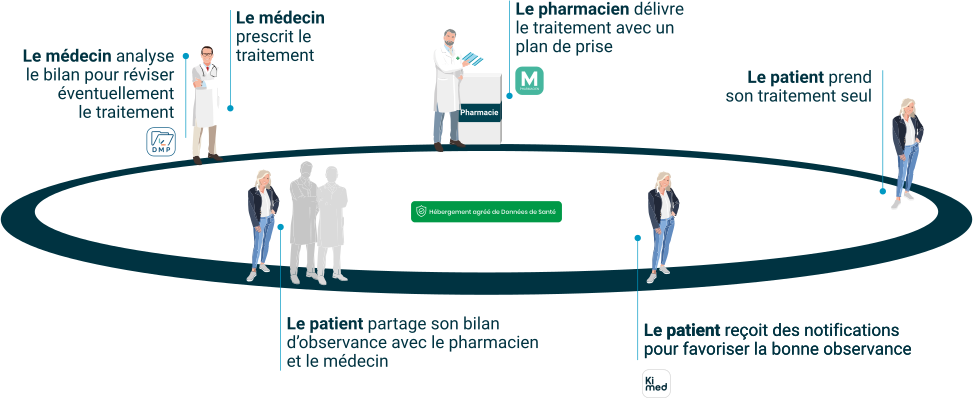
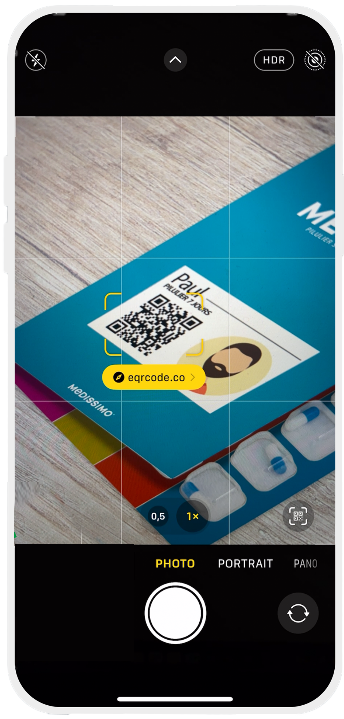
However, a pill organizer remains a passive tool. It makes it possible to identify missed doses after the fact, but it does not alert the user when a missed dose occurs. This is what distinguishes a basic pill organizer from one linked to a tracking app, which sends a reminder when it’s time to take a dose and helps identify recurring missed doses over several weeks.
The role of the pharmacist
The study highlights an opportunity that is still underutilized in clinical practice. Fifty-four percent of older adults taking multiple medications say they are willing to share information about their medication adherence with their pharmacist. This proportion rises to 62 percent among patients with poor adherence—that is, precisely those for whom the stakes are highest.
22 percent explicitly want their pharmacist to be more involved in monitoring their treatment, and 48 percent are not opposed to this. 18 percent say they are interested in having their pill organizer prepared at the pharmacy, and 78 percent of them are willing to pay for this service.
Prescription renewals provide a regular opportunity to identify discrepancies. A patient who comes to pick up their medication several days late, or who still has a large supply on hand, provides useful information without the need for any direct questions.
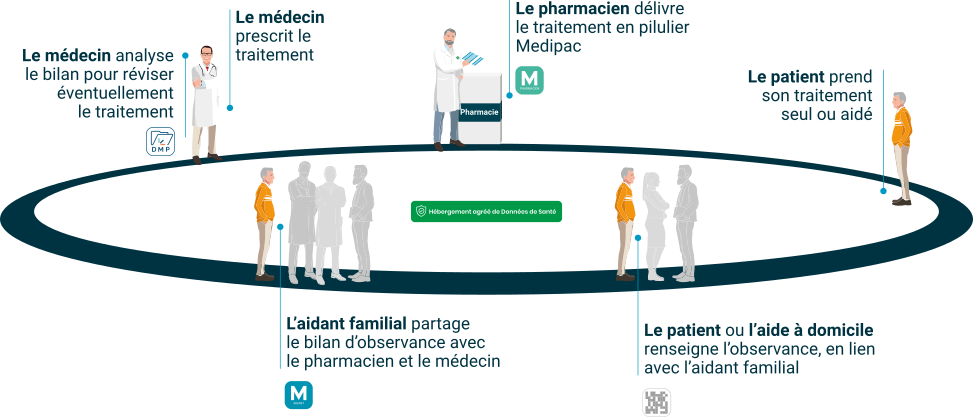
When a pill organizer is prepared at a pharmacy, this interaction includes a check to ensure compliance with the current prescription, which simultaneously eliminates another common cause of discrepancies: continuing a discontinued treatment whose packaging remains at home. This issue ties in with the specific challenges of managing home-based treatments, where the administration process is fragmented among multiple parties.
What a pill organizer doesn't solve
A pill organizer helps keep track of medication intake; it does not guarantee it. A patient who decides to stop taking a medication will continue to do so, and will do so using the pill organizer just as they did with the original pill bottles.
Nor does it reduce the number of medications. Even if patients are able to properly organize the intake of nine daily pills, this does not address the need to reassess the prescription, especially since 88 percent of patients who do not adhere to their treatment feel they have too many medications to take.
Finally, it does not cover forms that cannot be repackaged or over-the-counter medications taken for comfort, which continue to be managed separately.
Frequently Asked Questions
How often do people actually forget to take their medication?
According to the OpinionWay survey conducted in June 2023 for Medissimo and Notre Temps, 65 percent of older adults taking multiple medications report having missed a dose at some point. Among patients identified as having poor medication adherence, that proportion rises to 87 percent.
Why do patients underestimate how often they forget to take their medication?
The study reveals a clear discrepancy between self-reported adherence and measured adherence: 82 percent of older adults report adhering very well to their prescriptions, while only 32 percent demonstrate good adherence based on behavioral criteria. Since an isolated missed dose does not produce any noticeable effect, it is rarely perceived as an incident.
Is a pill organizer enough to prevent missed doses?
It reduces organizational oversights by making each dose identifiable and any missed doses visible. It does not address situations where a patient voluntarily stops treatment or skips a dose due to an adverse effect; these issues should be discussed with the relevant healthcare professional.
Which patients are most at risk?
Patients who take a large number of medications, have multiple prescribers, and take their medications in multiple doses throughout the day. The study also notes that patients with poor adherence are more likely to live alone and are, on average, younger than the overall group of older adults on multiple medications surveyed.
How should you broach the topic of adherence with your patient?
The study indicates a high level of receptiveness: 54 percent of older adults taking multiple medications say they are willing to share information about their medication adherence with their pharmacist, and this proportion is even higher among patients with the poorest adherence.
Source of statistical data: an exclusive OpinionWay survey for Medissimo and Notre Temps, conducted from June 2 to 12, 2023, among 630 people aged 60 and older who have been taking at least five medications a day for at least six months and are digitally independent. Confidence intervals range from 1.7 to 4 points, depending on the percentage measured.