In France, only 32% of patients over 60 suffering from polymedication take their medication correctly. The remainder - more than 1.2 million people - juggle with forgetfulness, dosage errors, medication breakdowns and voluntary discontinuation. The result: increased health risks, avoidable complications and additional pressure on healthcare professionals. In this context, medication compliance is no longer an option, it's a public health imperative.
Concrete solutions exist to meet these challenges. The Medipacsecure pill dispenser, developed by French company Medissimo, is one of the game-changing innovations. Designed not only for patients, but also for pharmacists, nurses and caregivers, Medipac makes it easier to take medication, while reducing errors and strengthening care coordination. In addition, Medissimo applications enable real-time monitoring, fluid dialogue between professionals, and the generation of shared medication reports.
But beyond the technology, it's the human, collaborative and connected approach that makes the difference. And this is precisely the vision shared by Didier Bioret, Key Account Manager at Medissimo,
🎤 Interview - Didier Bioret, Key Account Director at Medissimo
How do you see the future of digital solutions in pharmacy and nursing?
"It's essential. Businesses are changing, as are regulatory requirements, particularly those of the ARS. Digital tools enable us to secure, trace and coordinate treatment follow-up much more fluidly."
What are the main challenges facing nurses in the field?
"The time spent preparing treatments is enormous. But this is not their core business. Their real added value lies in monitoring and observing the patient. That's where Medipac comes in.
How does Medipac make nurses' daily work easier?
"When a pharmacist prepares the Medipac pill dispenser, all the nurse has to do is monitor the medication. She can concentrate on accompanying the patient, without worrying about the preparation. It's a real time and safety saver.
And the Medissimo Infirmière application?
"It's a fantastic coordination tool. No more notebooks passed from hand to hand between nurses: each caregiver has his or her own application, but with access to the same patient information. Follow-up is simplified, and above all, everything is returned to the BMP and transferable to the DMP, to guarantee optimum traceability for the prescriber."
Poor compliance with medication: a public health problem
On the face of it, multi-medicated patients are very good at taking their medication. In the exclusive study conducted by Medissimo with OpinionWay, 82% of seniors said they were very good at adhering to their prescriptions, and 93% said they had no particular difficulties.
But the reality is quite different. Only 32% of them have truly satisfactory compliance, measured on the basis of six objective indicators. The majority (56%) are moderately compliant, and almost 12% - or 200,000 people - are poorly compliant, with several forgetfulnesses, delays, modifications or voluntary discontinuations of their treatment.
A silent but risky reality
These discrepancies are not insignificant. In France, it is estimated that drug-related iatrogenia is responsible for over 10,000 deaths a year, including 7,500 in people over 65. Yet 45% to 70% of these deaths are preventable.
The main causes are well known:
- Forgetting to take medication (65% of patients have already experienced this);
- Frequent delays (28%);
- Voluntary cessation (33%) linked to adverse effects or a feeling of "more harm than good";
- Dose modifications without medical advice (13%).
And yet, 24% of senior citizens believe that forgetting to take medication is no big deal. It is this trivialization of sprains that exposes patients to avoidable complications.
Compliance weakened by the complexity of treatments
The problem is compounded by polymedication. The seniors surveyed take an average of 6.7 different medications a day, which represents 8.4 tablets or capsules in 2.6 daily doses.
At 7 or more drugs a day, the majority feel this is "too much". What's more, almost 40% of patients receive prescriptions from several doctors, which can lead to undetected drug interactions or duplication.
Physical, cognitive and organizational obstacles
Compliance is also hampered by :
- Physical difficulties: numbness, dry mouth, problems with vision or fine motor skills;
- Cognitive problems: 5% report memory problems;
- Difficult to organize: only 7% use a reminder system; the majority manage their treatment alone, sometimes with weekly pillboxes, but without professional support.
Compliance is also hampered by :
- Physical difficulties: numbness, dry mouth, problems with vision or fine motor skills;
- Cognitive problems: 5% report memory problems;
- Difficult to organize: only 7% use a reminder system; the majority manage their treatment alone, sometimes with weekly pillboxes, but without professional support.
The patients most at risk are often those who live alone, are divorced, or come from modest socio-professional backgrounds. Their compliance is fragile, and their isolation makes any follow-up strategy more complex.
The solution: move from isolated management to coordinated support
Given this situation, the solution cannot be purely technological or individual. It must be based on a collaborative approach involving patients, pharmacists, nurses and caregivers. A pillbox like Medipaccoupled with a monitoring application and a shared medication record, makes it possible to take medication more safely, avoid errors and, above all, coordinate care more effectively.
Why a pillbox is an effective solution
In the face of increasingly complex treatments, the pillbox is an essential ally for patients with multiple medications. Forgetfulness, dosage errors, misidentified interactions... these are just some of the risks that a pillbox can reduce, or even eliminate, if it is properly designed and used, and ideally prepared by a healthcare professional.
The pillbox: a simple but under-used tool
According to the Medissimo survey, 54% of senior citizens already use a pillbox. But in the vast majority of cases (91%), they prepare it themselves, with all the risks this entails: box errors, day inversion, incorrect dosage or cross-contamination.
What's more, only 18% wish to entrust this task to their pharmacist, while this proportion rises to 35% among patients with poor compliance. A latent demand exists, but it remains insufficiently supported and valued.
Medipac: a new-generation pill dispenser
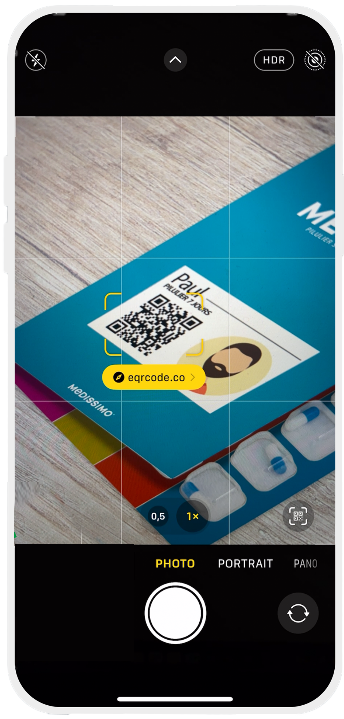
Developed by Medissimo, Medipac responds precisely to this need for security, simplicity and support. It's a hygienic, secure, sealed, pharmacy-prepared pillbox featuring a QR code for tracking patient compliance.
To remember: Medipac users achieve a 98% compliance rate, compared with a national average of 32%. A figure that speaks for itself.
Its benefits are manifold:
- Reduce errors and oversights;
- Strict compliance with medical prescription;
- Saves time for caregivers and healthcare professionals;
- Greater patient acceptability (clear design, hygiene, traceability).
🎤 Interview - Didier Bioret, Key Account Director at Medissimo
To find out more about the genesis of Medipac and its concrete impact in the field, let's hear from Didier Bioret, Key Account Manager at Medissimo.
Why did Medissimo develop Medipac?
"Medipac has been designed to help patients take their medication correctly. It enables them to take their medication in full, at the right time, and in accordance with the prescription. This avoids forgetfulness and errors. It's also perfectly suited to institutions such as nursing homes, where educators can ensure safe distribution."
What is the feedback from healthcare professionals and patients?
"Very positive. Users find it ergonomic, practical and hygienic. Pharmacists appreciate the simplicity of preparation."
What role will digital solutions play in the future of healthcare?
"They are quite simply indispensable. Our professions are evolving, and ARS recommendations are moving in the direction of better coordination and follow-up. Digital tools, such as those we are developing at Medissimo, respond precisely to this need."
From pillbox to medication reconciliation: a continuous safety chain
Thanks to integration with Medissimo applications (for patients, nurses, caregivers and pharmacists), the pillbox becomes an essential building block in a connected care ecosystem. Intake data is automatically transmitted, enabling the generation of a shared compliance report (BOP). The doctor can then adjust the prescription with full knowledge of the facts.
The pillbox is no longer just a container: it becomes a genuine therapeutic coordination tool, serving both the patient and the entire care team.
Coordination between healthcare professionals and caregivers: the key to compliance
Faced with the complexity of treatments and the diversity of care providers, coordination between healthcare professionals is becoming a major challenge. However, this coordination is still often inadequate, or even absent, especially at home.
Yet nurses, caregivers and pharmacists are at the heart of the care chain: each holds part of the information, each observes the patient from a different angle, and all must be able to act together to guarantee treatment safety.
Nurses: between overload and lack of information
Self-employed nurses are often the first to notice the problems associated with poor compliance: pills piled up, treatments not renewed, prescription mix-ups. And with good reason: they intervene "in the last mile", where everything comes into play.
🎤 Interview - Philippe Tisserand, expert nurse and director of home applications at Medissimo
What is the feedback from patients and professionals?
"Very good. The secure pillbox, combined with digital compliance monitoring tools, is seen as a real source of "chance gains" for polymedicated patients. By generating data in real time and sharing it via the medication record, we can limit therapeutic inertia. This inertia often stems from two things: the patient's difficulties in managing his or her treatment, and the lack of communication between professionals."
What are the biggest obstacles encountered in the field?
"Information! We spend all our time chasing after it: prescriptions, changes in dosage, stock-outs, and so on. This is even truer with multi-pathology patients. We often end up managing stocks at home or in our car, with no regulatory framework. In the meantime, we're not with the patient.
How are Medipac and the Medissimo Infirmière application making a difference?
"The Medipac pill dispenser, prepared in the pharmacy, considerably reduces the workload involved in preparing doses. As a result, we can concentrate on our real mission - tracking doses, monitoring them and managing any undesirable effects."
"The application reduces our mental workload. We track everything, in real time, during our interventions. This makes our practice safer, helps us avoid undue payments to the Assurance Maladie, and above all, enables us to share information immediately with the whole team. Even rounds are optimized. And thanks to the Bilan Médicamenteux, we can also take part in medication reconciliation, as recommended by the HAS.
A case in point?
"A colleague said to me recently, "I've been giving tablets for 35 years, but with this app, I realize that my patients take very little of their painkillers 'if needed'... They tolerate pain levels of 4 to 5 out of 10!" This kind of observation is essential. It changes our approach, our listening, and it really improves care."
Caregivers: indispensable intermediaries
Only 9% of multi-medicated patients receive daily assistance in managing their medications, but their role is crucial. With the Medissimo Aidantapplication, family and friends can :
- Simplified access to treatment follow-up;
- Receive alerts in case of omission or modification ;
- Communicate easily with the care team or pharmacy.
Saving time and peace of mind for both patients and their families.
Pharmacists: local partners and coordinators
Pharmacists are no longer just dispensers of medication. 54% of patients are willing to share information with their pharmacist, and 22% would like to see closer monitoring, in particular through the preparation of pillboxes.
Thanks to the Medissimo Pharmacien applicationapplication, pharmacies can :
- Prepare secure, personalized pillboxes like Medipac;
- Automatically generate medication reports;
- Monitor compliance remotely and communicate with nurses and caregivers.
A collaborative care approach is emerging, with the pharmacist at the hub of reliable, connected, local monitoring.
Medication review: a key tool for safe treatment
Improving compliance is good. Being able to assess, monitor and adjust it in real time is even better. This is what makes the Bilan Médicamenteux (BM) such a strategic tool in the management of polymedicated patients.
What is the Bilan Médicamenteux, and what is it used for?
The BM is a digital summary of actual medication intake, including forgetfulness, delays, side effects, dose adjustments, etc. It is shared between healthcare professionals, patients and, if necessary, their caregivers. It is shared between healthcare professionals, the patient and, if necessary, his or her caregivers. It can be integrated into the Dossier Médical Partagé (DMP) or into professional tools such as those offered by Medissimo.
🔹 Objectives of the Bilan Médicamenteux:
- Quickly visualize a patient's compliance level;
- Identify friction points or iatrogenic risks ;
- Facilitate treatment adaptations by the prescriber;
- Improving inter-professional communication.
Concrete data to avoid therapeutic inertia
As Philippe Tisserand explained in the previous section, the absence of reliable data on treatment uptake is one of the main obstacles to therapeutic responsiveness. Too often, the doctor continues to prescribe a treatment without knowing whether it is actually being taken, or how it is perceived by the patient.
Thanks to compliance data collected automatically via tools such as Medipac or the Medissimo application, the medication review becomes a genuine support for medical decision-making.
✍️ "The Bilan Médicamenteux enables nurses to play an active role in medication reconciliation, in line with HAS recommendations," emphasizes Philippe Tisserand.
An interconnected solution for everyone
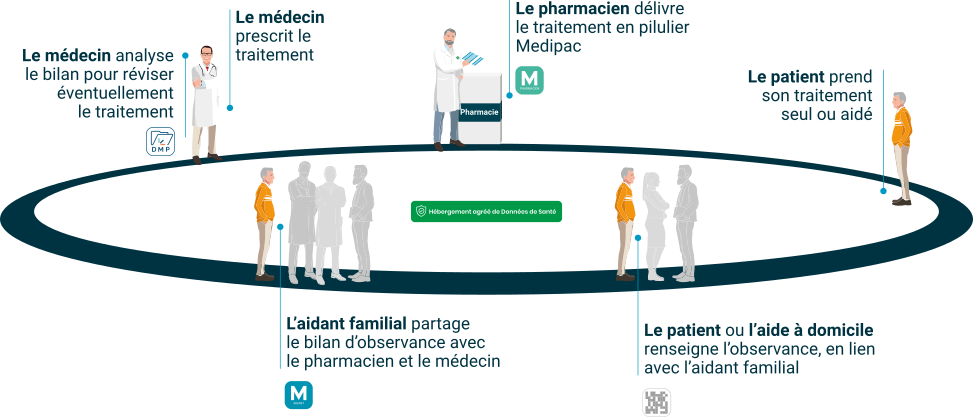
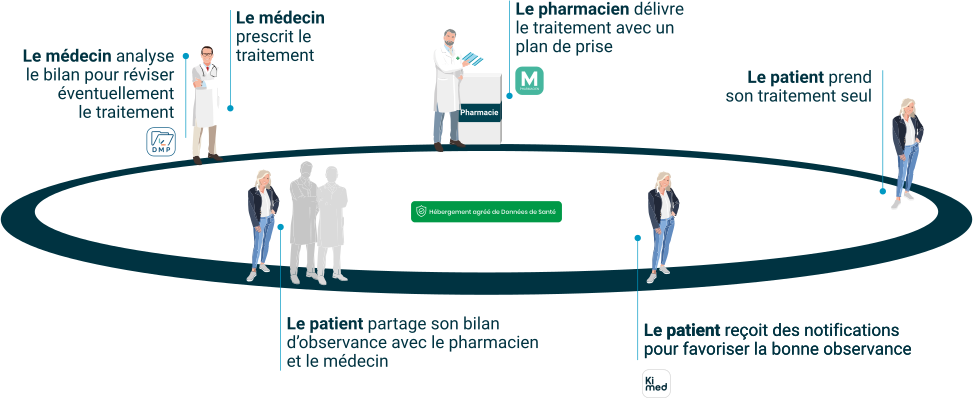
The full power of the Bilan Médicamenteux lies in its integration into a seamless chain of care:
- The pharmacist fills the Medipac pillbox;
- The patient takes his medication (or not), with tracking via QR code;
- The nurse records his observations directly in the application;
- The doctor adjusts the prescription via the DMP according to the BM.
The result: a dynamic, shared and adjusted follow-up. No more treatments that remain unchanged for six months, despite poor compliance or side effects.
Medication reconciliation: the cornerstone of personalized, preventive medicine
Far from being a simple administrative report, the medication review prefigures a patient-centered, proactive and collaborative medicine:
- It reduces loss of chance due to errors or oversights;
- It enables informed therapeutic decisions;
- It gives a sense of responsibility to all those involved, including the patient.
This is the logic behind Medissimo's tools: to connect all the points of contact in the care pathway, to secure each stage, and to put the patient back at the heart of the system.
Too many drugs, not enough follow-up, and patients often left to deal with their treatments alone. These are the alarming findings of a study conducted by Medissimo among multi-medicated seniors. And yet, concrete, proven and connected solutions exist to reverse this trend.
The Medipac pillbox, prepared in the pharmacy, enables patients to take their medication safely, hygienically and as prescribed. Combined with Medissimo applications, it becomes a central component of a digital care ecosystem that facilitates coordination between pharmacists, nurses, caregivers and patients.
Medication Reconciliation (MR) transforms field data into a decision-making tool, reducing errors, therapeutic inertia and lost opportunities.
A new way of caring, together
This connected, coordinated, patient-centric model is no longer the stuff of the future: it's already in place, tested, validated and ready for widespread use.
🗣️ As expert nurse Philippe Tisserand points out:
"Thanks to the compliance check-up, I can do more than just hand out medication. I understand how my patients experience their treatment, so I can really support them."
What if compliance finally became a shared reflex?
- Pharmacists: adopt Medipac and involve your patients in an active compliance program.
- Nurses: use theMedissimo Nurse application to secure your care and lighten your mental load.
- Caregivers: stay connected and informed with the Medissimo Caregiver application.
- Patients: talk to your pharmacist or nurse. You have the right to personalized, secure and simple care.