The elderly population is particularly vulnerable to medication errors, due to the polymedication often required to manage chronic illnesses. Pill organizers, as tools for organizing and managing medication, can help prevent these errors from occurring. How can pillboxes help reduce the risk of medication errors in the elderly?
Polymedication and its challenges
Polymedication, defined as taking five or more medications a day, is common among the elderly. It is often necessary to manage chronic conditions such as hypertension, diabetes, heart disease and arthritis. However, this complexity increases the risk of medication errors, which can have serious, even fatal, consequences.
Specific risks
Drug interactions represent a major risk, as they can alter the effectiveness of medications or lead to dangerous side effects. Non-compliance is common, with patients forgetting to take their medication, taking incorrect doses or switching between different drugs. Each drug has its own side effects, and when combined, these effects can compound and worsen the patient's condition. Finally, inappropriate prescriptions, due to prescription errors or misunderstanding of prescriptions, also contribute to medication errors.
The impact of pillboxes
Pillboxes help to organize medications in a clear, methodical way, separating them by day and time of day. This organization reduces confusion and makes it easier to follow medical prescriptions.
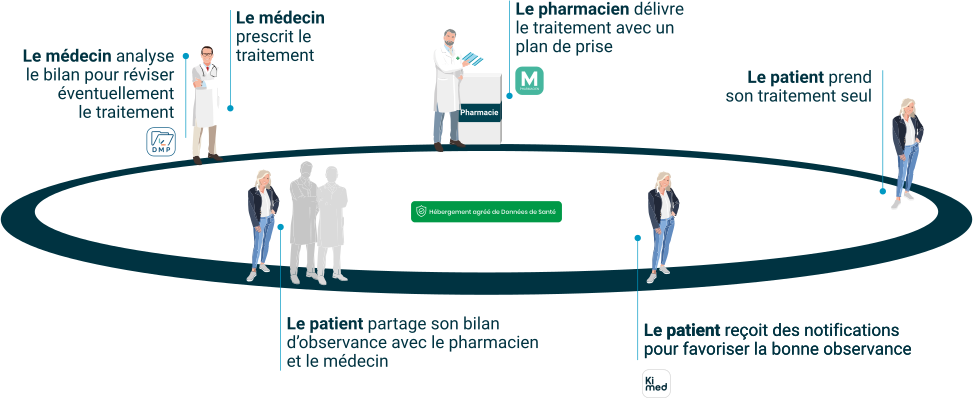
Pill organizers feature separate compartments for each dosing time, preventing mix-ups between doses. They provide a clear overview, allowing patients and their caregivers to see at a glance whether medications have been taken. Some pill organizers, when paired with a mobile app like Kimed, include audible or visual reminders to indicate when it’s time to take medication, helping to maintain a consistent medication routine.
Safety pill organizers promote better adherence by providing regular reminders and simplifying the process of taking medication. This is particularly helpful for older adults, who may have memory problems or difficulty following complex medication regimens.
Pill dispensers also facilitate the work of caregivers, enabling them to prepare medication in advance and easily check that doses have been taken. This reduces stress and workload for caregivers, while ensuring that patients receive their medication correctly.
Types of pillboxes available
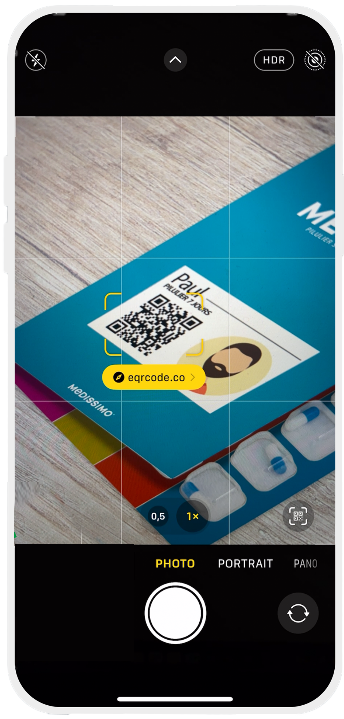
Pillboxes come in a variety of types, each tailored to specific needs. For example, weekly pillboxes are designed to organize medication over an entire week, with compartments for each day. Daily pillboxes, on the other hand, have compartments for different times of the day, which is particularly useful for medicines to be taken at specific times. Secure pillboxes, combined with a mobile application, represent a significant step forward: they feature reminder functions via notifications on your smartphone.
Best practices for pill dispenser use
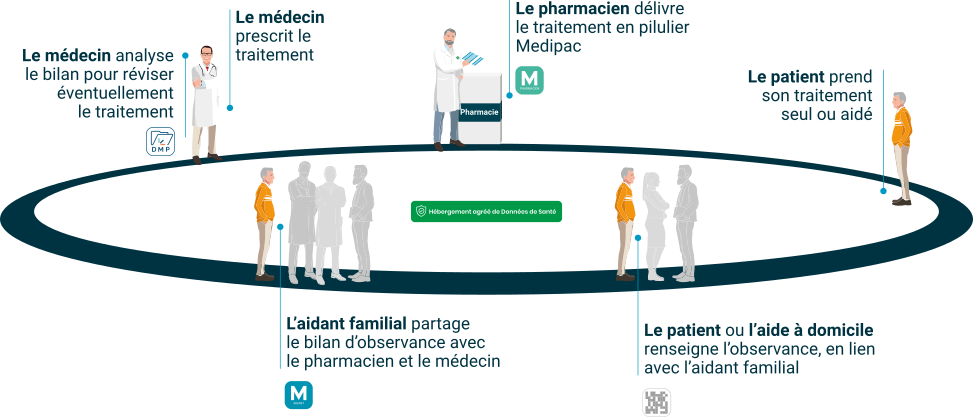
The preparation of pillboxes by pharmacists is an essential step in ensuring that medications are properly organized according to medical prescriptions. Pharmacists check prescriptions to ensure that all necessary medications are included, organize medications in the appropriate compartments according to day and time of use, and label pillboxes to ensure essential traceability. A double check is carried out to guarantee the accuracy of preparation, thus ensuring safe medication management.
It is necessary to educate patients and their caregivers on the proper use of pill organizers to maximize their effectiveness. This includes explaining how the pill organizer works, filling and organizing the compartments, clarifying the specific times to take medications, helping patients recognize their medications and understand their purpose, and using mobile apps to help them remember to take their medications.
Regular follow-up by healthcare professionals is necessary to adjust treatments based on changes in the patient’s health status. This may include home visits, telephone consultations, or appointments at the pharmacy. Managing treatments at home presents its own unique challenges, distinct from those encountered in a healthcare facility. Monitoring includes reviewing pill organizers to verify that medications have been taken correctly, conducting interviews with the patient to discuss any difficulties encountered and side effects, and adjusting treatments as necessary to improve treatment effectiveness and reduce adverse effects. This monitoring can be carried out using mobile adherence apps connected to the pharmacy and designed for independent nurses or family caregivers.
Why are older adults more at risk of medication errors?
Polypharmacy, defined as taking five or more medications per day, increases the risk of medication confusion, missed doses, and drug interactions. This is often compounded by memory or vision problems, which make it difficult to identify pills and read dosage instructions.
Which pill organizer should you choose for an elderly person taking multiple medications?
The weekly pill organizer prepared at the pharmacy is suitable for most situations, as it organizes medications by day and by time of administration. For patients with cognitive impairments or visual impairments, the single-use pill organizer prepared at the pharmacy provides added safety thanks to personalized labeling and the pharmacist’s double-check.
What are the most common pill organizer mistakes?
The main ones are taking a double dose—when the patient does not remember having already taken their dose—confusion between two tablets that are similar in shape or color, and variations in dosing times, which cause fluctuations in the drug’s concentration in the body.
Who prepares a senior’s pill organizer?
When medications are compounded in the pharmacy by a pharmacist, this ensures compliance with the prescription and the traceability of the medications. At home, independent nurses and caregivers assist with administering medications and monitoring dosing, and report any difficulties encountered in the medication management process to the pharmacist.
How can you make sure an older adult is taking their medications as prescribed?
A visual inspection of the compartments provides an initial indication. Pill organizers linked to a tracking app allow caregivers and healthcare professionals to remotely verify medication intake and identify any discrepancies before they occur again.