Polymedication, also known as polypharmacy, is a growing reality in the healthcare field, particularly among the elderly, as we can see from the study report. This phenomenon refers to the simultaneous use of several drugs by the same individual to treat different medical conditions. With the ageing of the population and the increasing prevalence of chronic diseases, polymedication has become a major public health concern, both in terms of risks and treatment.
The risks
Polymedication, or the simultaneous use of several medications, exposes patients to a variety of health risks. Among these risks, drug interactions occupy a prominent place. These interactions occur when two drugs taken together interact in such a way as to alter the efficacy, tolerance or toxicity of one or the other. One drug may inhibit or accelerate the metabolism of another, resulting in increased or decreased efficacy or toxicity. Some drug interactions can be serious and even life-threatening, causing cardiac arrhythmias, gastrointestinal bleeding or seizures.
Polymedication also increases the risk of adverse effects and complications for patients. Each individual drug may have its own side effects, but when several drugs are combined, these side effects can accumulate and become more pronounced. For example, a patient taking medication for high blood pressure, diabetes and heart disease may experience fatigue, dizziness and nausea, all of which are common side effects of these drugs. These side effects can not only affect the patient's quality of life, but also compromise compliance, as the patient may be tempted to stop treatment because of these undesirable symptoms.
Finally, polymedication can also be associated with inappropriate prescriptions, further increasing the risks to patients. Inappropriate prescriptions can include dosage errors, inadequate treatment durations, or drugs poorly adapted to the patient's needs. Thus, an elderly patient may be prescribed drugs that are potentially unnecessary or inappropriate for his or her state of health, exposing the patient to an increased risk of adverse effects without any real therapeutic benefit.
Simplify medical treatment management
Faced with the challenges posed by polymedication, the solution is to develop effective strategies to simplify the management of medical treatments. Pillboxes are one of the most relevant solutions to help patients who have to take multiple medications. These devices offer a practical approach by grouping together the different medications prescribed for each time of day, making it easier to take them correctly and reducing the risk of errors. Pillboxes thus help to establish a clear, organized routine for patients, promoting better compliance and minimizing the risks associated with polymedication.
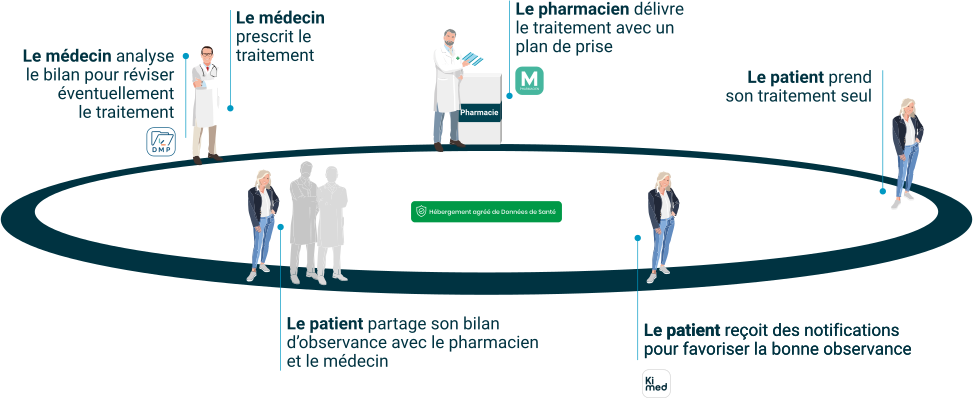
The variety of pillboxes available on the market offers a wide range of features to suit individual patient needs. Some models feature separate compartments for each medication, enabling precise organization of treatments for each dose. Other pillboxes incorporate advanced features such as reminders or notifications on a companion mobile app, offering additional assistance to ensure that medication is taken regularly. For example, a notification on a mobile application can remind the patient of the doses to be taken and the times at which they should be taken.
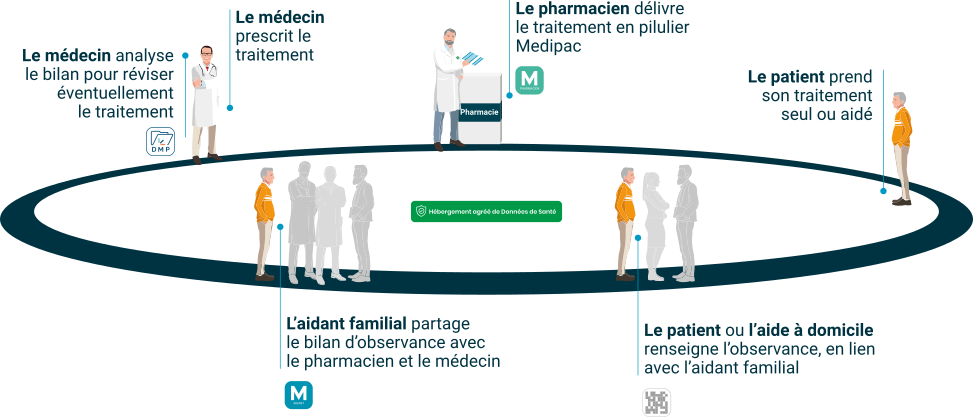
In addition, pillboxes can be prepared and organized by the pharmacist according to the doctor's prescription, adding a dimension of personalization to their use. In this way, the pharmacist can play an essential role in supporting patients with polymedication, advising them on the appropriate use of pillboxes and providing them with information on their medications. This collaborative approach between pharmacist and patient enhances the effectiveness of pillboxes by adapting them to the specific needs of each individual, helping to optimize the therapeutic management of patients with polymedication.
Interprofessional collaboration between healthcare professionals, including doctors, pharmacists and nurses, is vital to ensure optimal management of patients with polymedication. This collaboration makes it possible to harmonize prescribed treatments and ensure that patients receive the information and support they need to manage their polymedication effectively.
Among the solutions offered by Medissimo, two stand out for their advanced functionalities and adaptability to the specific needs of patients faced with polymedication: the Medipac pillbox and the Kimed application.
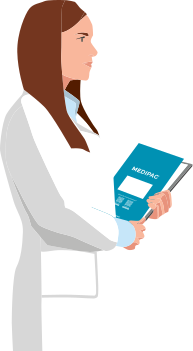
The Medipac pill dispenser is specially designed to meet the needs of elderly, hyperpolymedic patients, or those with memory, sight or dexterity problems. The pill dispenser stands out for its ergonomic design and practical features that make it easier to manage medical treatments on a daily basis. Key features include
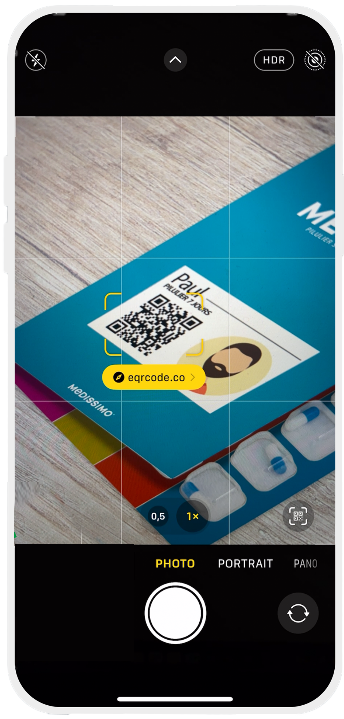
- QR code for medication collection: The pill dispenser is equipped with a QR code for tracking and verifying the correct use of medication.
- Access to medication leaflets: Patients can consult detailed information on each medication included in the pillbox, including dosages and any adverse effects.
- Access to Caregiver and Nurse applications: The Medipac pill dispenser is connected to dedicated applications that enable caregivers and nurses to monitor the patient's treatment remotely and receive alerts in the event of anomalies.
The Kimed application is a digital tool developed by Medissimo to help patients better manage their medical treatment and improve compliance. The application offers a user-friendly, intuitive interface, as well as advanced functionalities to support patients in their daily lives. Key features include
- Shared review view: Patients can consult their shared medication review in real time, along with detailed statistics on their medication intake.
- Secure messaging: The application enables patients to communicate directly with their pharmacist to ask questions, seek advice or report any problems with their treatment.
- Tele-monitoring: Kimed also offers a tele-monitoring service that enables healthcare professionals to monitor patient compliance at a distance, and intervene if necessary.