Travelling can be a source of stress for people taking multiple medications on a daily basis. Managing medical treatments becomes more complex when changing routines, time zones and locations. Pillboxes are indispensable tools to help travelers maintain good compliance with their medication. How can medication be managed when traveling?
The challenges of medication management when traveling
Travelling often disrupts daily routines, which can lead to forgetting to take medication. Time zone changes, unplanned activities and frequent travel increase the risk of non-adherence. The consequences can be serious, especially for people with chronic illnesses.
Changes in time zones can throw the usual medication schedules out of sync, making it difficult to manage local and usual times at home. This can lead to over- or under-nutrition, reducing the effectiveness of treatments or increasing the risk of side effects. Transporting medicines internationally poses logistical and regulatory challenges, such as customs restrictions and air transport requirements.
Prescriptions are often required to justify the possession of certain medications, and some regulations limit the amount of medication an individual can carry. Having the appropriate documentation, including prescriptions and medical certificates, is essential to avoid problems at customs.
The benefits of pillboxes for travellers
Pillboxes help organize medication in a systematic way, making each dose easily accessible and reducing the risk of forgetting. With compartments for each day and time of day, they help maintain medication routines, even when on the move. Preparing medications in advance for the entire duration of the trip minimizes the need to manage medications en route. A glance is all it takes to know if the medication has been taken, which is particularly useful on busy travel days.
Pillboxes also make transporting medication easier, reducing the need to carry several boxes of bulk medication. They are generally compact and easy to carry, even in hand luggage. Clear labels on pillboxes help to identify medicines quickly, facilitating safety checks and demonstrating to authorities that medicines are being taken responsibly.
Types of pillboxes for travellers
Pillboxes are available in several types, each offering specific features to meet travelers' needs.
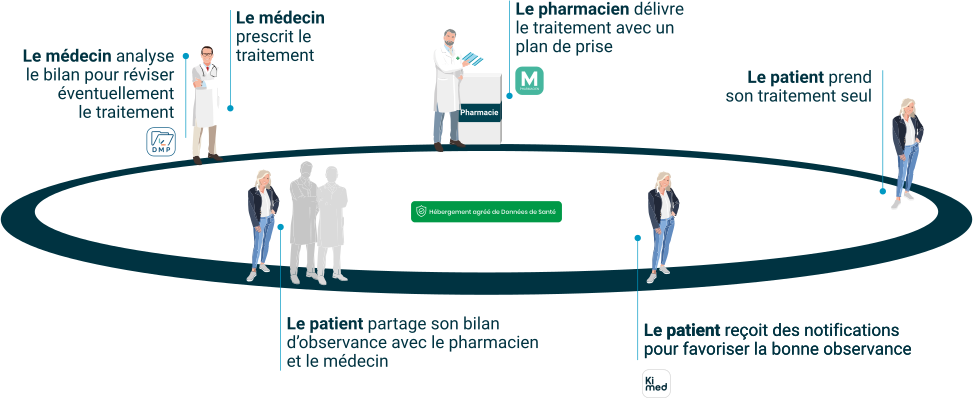
Weekly pillboxes are designed to organize medication over a week, with compartments for each day, ideal for short trips. For longer trips, monthly pillboxes offer compartments for each day of the month, enabling organization over an extended period. Digitized pillboxes, with notifications via mobile apps like Kimed, help travelers take their medication on time despite changes in routine and time zone. For short trips or daily outings, compact pillboxes offer a portable and discreet solution, often small in size and easily carried in a handbag or pocket.
Best practices for using pillboxes when traveling
Before departure, it is advisable to consult a pharmacist to review prescriptions and ensure that all necessary medications are included. The pharmacist can also prepare pillboxes according to medical prescriptions, and provide personalized advice on managing medication while traveling, including any adjustments needed in case of time zone changes. It is also important to carry copies of medical prescriptions for each medication, to obtain medical certificates to justify possession of certain medications at customs, and to have a detailed list of medications, including doses and times taken, to facilitate follow-up.
During the trip, the use of audible reminders or notifications to remind you to take your medication is highly recommended. Adjusting dosing schedules to suit the new time zone helps maintain the effectiveness of treatments. Checking pillboxes regularly to ensure that doses have been taken as scheduled is a good practice. Always carry medications in your hand luggage to avoid loss or delay, keep them away from extreme temperatures, and store them in an accessible place to make it easier to take them en route are practical tips for managing medications in transit.
After the trip, it's important to check and reorganize medications to ensure continuity of treatment. An inventory of remaining medications ensures that all doses have been taken correctly. If necessary, restocking medication with the pharmacist and scheduling a medical follow-up to assess the effectiveness of treatment and discuss any difficulties encountered during the trip are key steps. Discussing challenges encountered and possible solutions for future trips with the pharmacist or physician helps to improve medication management strategies for future trips, based on lessons learned.
Pillboxes are essential for efficient medication management when traveling, especially for those taking several medications daily. They help maintain compliance, reduce the risk of medication errors, and facilitate the transport of medication across borders. Advance preparation, consultation with healthcare professionals, and the use of modern technologies such as secure pillboxes can greatly enhance the traveler's experience and guarantee the safety and efficacy of medical treatments.