Medication management using pillboxes is a common practice, particularly beneficial for the elderly, multi-medicated patients and those with cognitive impairments. However, the use of pillboxes raises questions about the confidentiality of medical information. Let's take a look at the issues surrounding the confidentiality of medical information in the context of pillboxes, the protective measures available and the best practices to adopt to ensure secure, privacy-friendly use.
The importance of medical confidentiality
The confidentiality of medical information is a fundamental right protected by legislation around the world. Plastic pillboxes, although practical tools for medication management, can potentially expose sensitive information. When left in plain view, pillboxes can be accessed by unauthorized persons, leading to unintentional exposure of medical information. On top of this, when on the move or during consultations, pillboxes can be handled by several people, increasing the risk of uncontrolled information sharing. But it doesn't have to be this way!
Regulations, such as the General Data Protection Regulation (GDPR) in Europe, impose strict standards on the management and protection of personal information, including medical data. These legislations require rigorous measures to protect medical data from unauthorized access and stipulate that any disclosure of medical information must be preceded by informed and voluntary consent from the patient.
Confidentiality issues related to pillboxes
Pillboxes like Medipac are specially designed to protect confidential information, with discreet labeling and secure compartments to prevent unauthorized access.
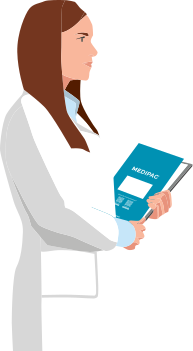
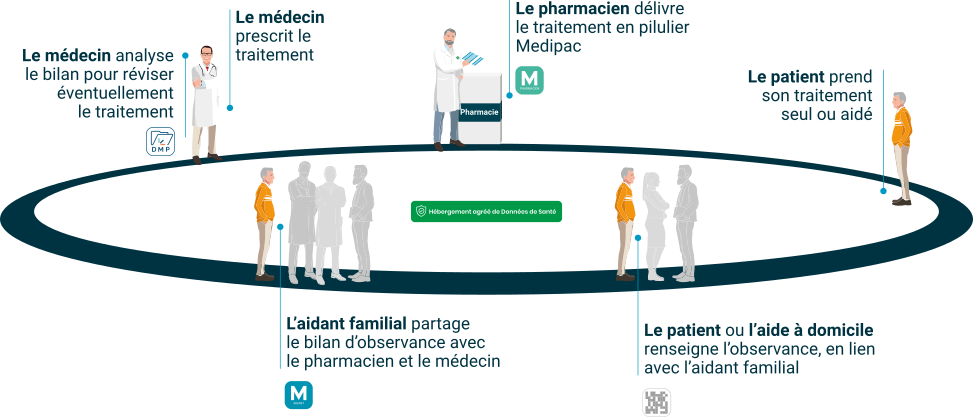
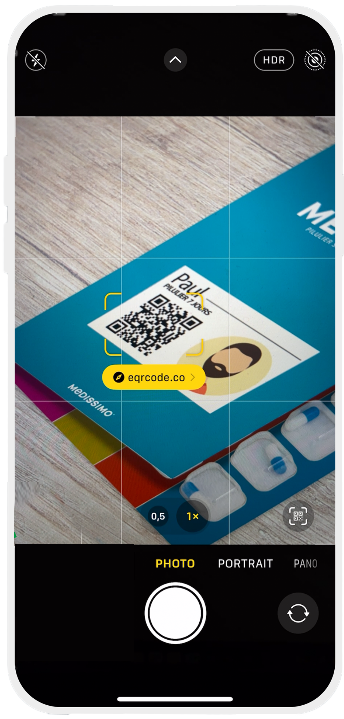
The Medipac pillbox, designed by Medissimo, is an innovative and responsible device, prepared in the pharmacy to simplify the management of medication at home. Thanks to its integrated QR code, it enables real-time monitoring of medication compliance and direct communication with the pharmacist. This total traceability guarantees not only correct use of medication, but also a significant reduction in oversights and errors. The Medipac provides a clear, orderly overview of medications, facilitating their administration while avoiding the risk of contamination thanks to its drop-proof, watertight adhesive closure.
One of the most important aspects of Medipac is the confidentiality of medical data. All information collected by the Medipac pillbox and the Medissimo Infirmière or Medissimo Aidant applications is stored at a certified data host. This system ensures that only authorized persons, such as Medipac beneficiaries and the healthcare professionals they designate, have access to sensitive data. By using state-of-the-art technology to protect this information, Medissimo ensures optimum security, meeting the most stringent requirements for personal data protection.
The Medissimo Aidant application, connected directly to the pharmacy, enables professional caregivers and families to securely monitor patient compliance. Information is instantly available to the pharmacist, who can generate precise assessments and suggest adjustments based on the results obtained. This level of monitoring and communication, while rigorously respecting data confidentiality, not only improves treatment efficacy, but also reinforces the confidence of patients and their families in the management of their medication. By combining ease of use, security and privacy, Medissimo's Medipac pillbox is a viable tool for optimized, secure medication management.
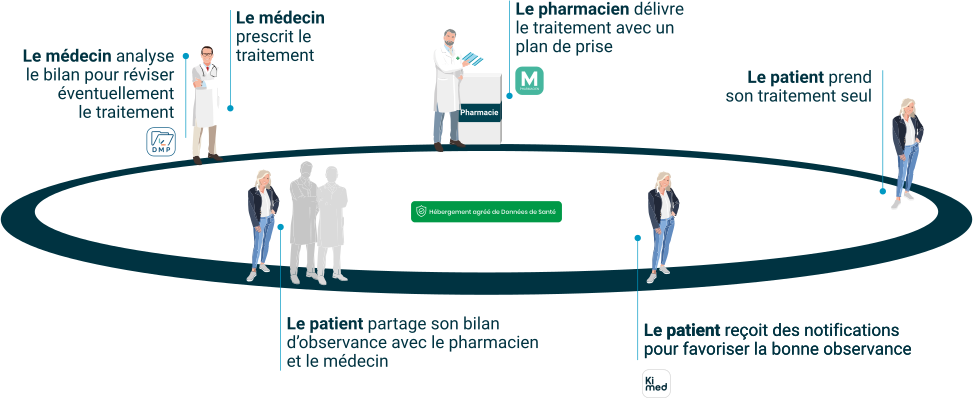
Modern technologies offer innovative solutions for protecting the confidentiality of medical information. Smartphone applications can remind patients to take their medication without exposing information on physical pillboxes. Notifications can be sent directly to patients' personal devices, reducing the need for visible reminders on pillboxes.
Best practices for protecting privacy
The adoption of good practices can greatly improve the protection of confidentiality when using pillboxes. Patients need to be educated about the importance of confidentiality and how to protect it, and caregivers need to be made aware of safe pillbox management practices. It is also important to keep pillboxes in secure locations that are inaccessible to unauthorized visitors, and to use pouches or bags to carry pillboxes discreetly in public.
Healthcare establishments adopt rigorous practices to protect the confidentiality of patient information when managing pillboxes. For example, hospitals use color-coded pillboxes and store them in secure medical carts. Nursing homes prepare and store pillboxes in locked cabinets, with access limited to authorized personnel. Patient testimonials show how simple measures can help protect their privacy. For example, a 68-year-old patient uses a pillbox that reminds her to take her medication without revealing the details to those around her, and a 75-year-old patient uses a pillbox with discreet labels, recommended by his pharmacist.
Pillbox-based medication management offers many advantages in terms of organization and compliance. However, it also raises important questions about the confidentiality of medical information. By adopting appropriate protective measures, such as the use of secure pillboxes, the application of digital technologies and patient education, the risks of unauthorized exposure of sensitive information can be minimized.
Medissimo solutions, for example, offer innovative pillboxes designed to meet strict confidentiality requirements while facilitating medication management. By combining technology and best practices, it is possible to ensure secure medication management while protecting patient privacy.
Medissimo pillboxes incorporate advanced features such as audible and visual alarms to remind patients when it's time to take their medication, helping to improve patient compliance. Thanks to their ergonomic and intuitive design, these devices not only make it easier for patients to take their medication on a daily basis, but also to carry it with them when on the move. This combination of practicality and safety boosts user confidence while reducing the risk of medication errors.