Medication management for patients suffering from chronic illnesses, or who are subject to polymedication, represents a major challenge for both patients and healthcare professionals. Poor compliance can lead to medication errors, serious complications and even hospitalization. As a tool for simplifying treatment, the pill dispenser prevents errors and oversights. It helps patients to follow their medical treatment rigorously, while making the task of caregivers and healthcare professionals safer.
However, an often underestimated aspect of pillbox use is the personalization of labels. This adaptation is unique to pharmacy-prepared single-use pillboxes, and helps to better respond to specific patient needs and improve therapeutic adherence. By personalizing labels, pharmacists, nurses, doctors and caregivers reinforce patient safety and improve prescription management. This is particularly useful for patients suffering from cognitive disorders, hypertension, diabetes or chronic pathologies such as renal failure.
Pill dispenser: an essential tool for simplifying treatments
The pill dispenser is a device for grouping medications into compartments, organized by day of the week or time of day. This tool provides a simple structure to ensure that medications are taken correctly, reducing the risk of forgetfulness or dosing errors. Indeed, for many patients with chronic illnesses, juggling multiple medications on a daily basis can become a source of stress and non-compliance.
The use of a well-organized pillbox, whether daily or weekly, helps maintain good compliance with treatment and ensures that each dose is taken at the right time. This is particularly important for people with multiple medications, who need to manage several tablets or capsules at specific times of the day. The pillbox simplifies the task not only for the patient, but also for caregivers, who can more easily track and monitor medication intake.
The importance of personalized labels on pillboxes
For some patients, standard labeling on pillboxes can be confusing, particularly for the elderly or those with cognitive impairments. In this context, personalized labels become a key element in facilitating medication compliance. Clear, adapted labels, incorporating pictograms, color codes or specific instructions ("on an empty stomach", "to be taken with water"), help patients to better understand their treatments.
Personalized labels can also include instructions on how to take medications, specific doses, or possible interactions with other drugs. This is vital for people with complex pathologies requiring polymedication, such as patients with diabetes or high blood pressure, or those undergoing treatment for several diseases.
Drug personalization and traceability
Personalized labels also have a direct impact on drug traceability. Thanks to specific labels, each tablet or capsule in the pillbox can be precisely tracked, ensuring that the medical treatment is respected. This traceability is particularly important in situations where medicines are prepared in advance, such as in healthcare establishments like hospitals or nursing homes.
Pharmacists improve this process, ensuring that prescriptions are correctly followed and that drugs are dispensed in accordance with prescribed dosages. Personalized labels also enable treatments to be adjusted quickly if necessary, minimizing the risk of medication errors or poor compliance.
Improving compliance with a clear label
Therapeutic compliance largely depends on the patient's ability to follow medical instructions. However, many factors can hamper this ability, such as the complexity of treatments, side effects or difficulties in remembering dosing schedules. In this context, personalized labeling is an effective solution to help patients comply with their prescriptions.
Using color codes and visual reminders, the pill dispenser enables rapid identification of medications and provides essential information on each tablet. This helps not only patients, but also their carers and nurses, who can monitor medication intake and avoid errors. Personalized labels also enhance communication between different healthcare professionals, facilitating cooperative care, whether at home or in hospital.
Pill dispenser and technological innovations: invaluable help for patients
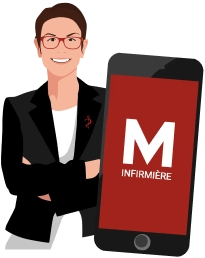
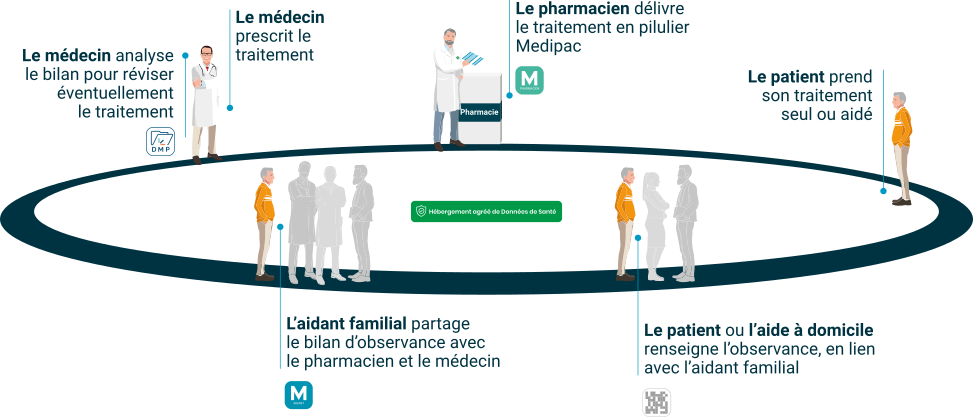
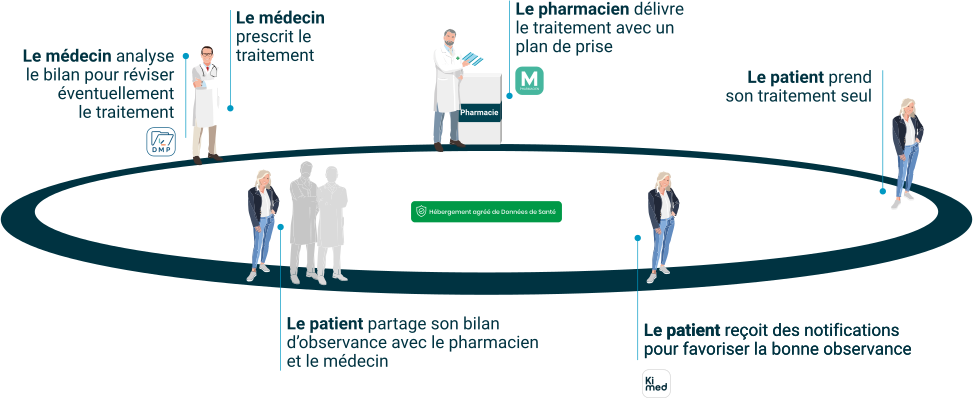
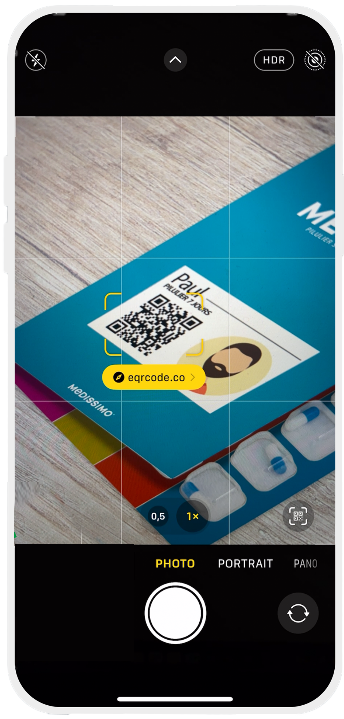
Technological advances mean that pharmacy-prepared pillboxes can be even more finely customized, and medical data can be better managed. Devices such as those offered by Medissimo incorporate a compliance QR code on the pill dispenser, enabling real-time monitoring of patient compliance. A second QR code also gives caregivers or nurses direct access to their mobile applications for monitoring treatment.
These technologies offer improved drug traceability, ensuring that only authorized persons - pharmacists, doctors, nurses - can access the information. The secure pill dispenser also enables healthcare professionals to monitor doses in real time, and send alerts in the event of forgotten or incorrectly taken medication. This not only ensures better compliance, but also reinforces patient safety.
Interprofessional collaboration and label personalization
Personalizing the labels on pillboxes requires close collaboration between different healthcare professionals. All those involved in the care process - doctors, pharmacists, nurses and caregivers - must play an active role in improving the quality of care and preventing medication errors.
The doctor's role is vital, since he or she is responsible for ensuring that treatments are appropriate, and for providing clear information on dosage, potential interactions and adjustments to be made. Pharmacists, for their part, are responsible for preparing pillboxes and ensuring the traceability of each medication. In collaboration with nurses, they can personalize labels to ensure that each patient receives the right doses at the right time, and that no medication errors occur.
Security and data protection
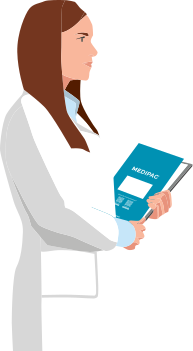
With the integration of technology into the pill dispenser, data confidentiality and security have become top priorities. Devices like Medissimo 's Medipac ensure that all sensitive information is protected by advanced security protocols. Health data, including medication information, is accessible only to authorized persons.
These devices also enable complete traceability of medication, ensuring that patients receive treatment in line with their medical prescription. In the event of a change in treatment, personalized labels enable information to be updated rapidly, while ensuring continuity of care.
The personalized pill dispenser represents an innovative and effective solution for medication management, particularly for patients with multiple medications or chronic illnesses. By personalizing labels, healthcare professionals can improve treatment safety, enhance drug traceability and reduce the risk of medication errors.
Modern devices, like those offered by Medissimo, incorporate advanced technologies such as QR codes and mobile applications, which facilitate medication management while respecting data confidentiality. The personalization of labels, combined with inter-professional collaboration, ensures better therapeutic compliance and improves patients' quality of life.
Why is label personalization important?
Personalized labels enable information to be tailored to patients' specific needs, making treatment easier to understand and improving compliance. It is only possible on single-use pillboxes prepared in pharmacies, such as Medipac pillboxes manufactured by Medissimo.
How can personalized labels help prevent medication errors?
They offer clear instructions, and use pictograms and color codes to simplify taking medication and avoid confusion.
Which healthcare professionals are involved in label personalization?
Pharmacists prepare treatments in pillboxes using a web application that produces personalized labels.
Does the single-use pill dispenser allow labels to be personalized?
Yes, these pharmacy-prepared pillboxes have been designed to personalize treatments, and therefore labels.
What are the benefits of personalization for patients?
It improves treatment safety, enhances understanding of medication and ensures better compliance, especially for patients taking more than 5 medications a day.