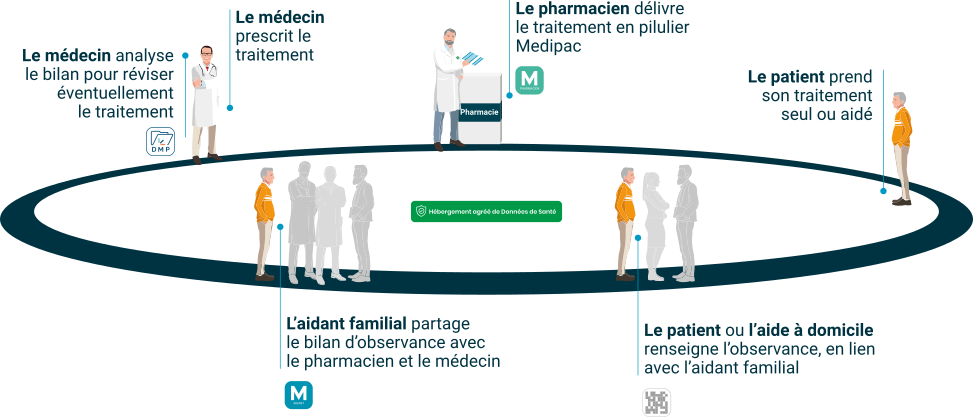
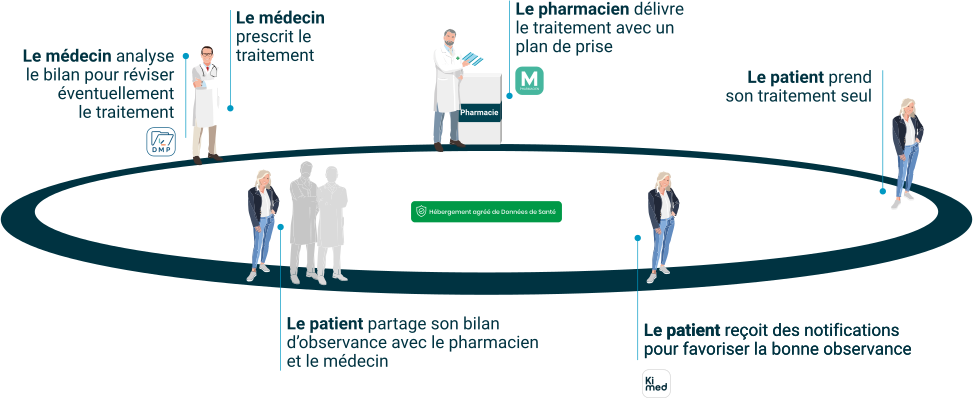
In the context of medication management, particularly for patients with chronic diseases, polymedication or high blood pressure, precise cooperation between healthcare professionals is essential. For elderly or diabetic patients, treatment follow-up is vital to their well-being and survival. Proper management of drug therapy is becoming a public health issue. Every professional - doctors, pharmacists, nurses - plays a key role in ensuring optimal, ongoing patient care.
The pillbox: an indispensable tool for cooperative care
The secure pill dispenser is a fundamental tool in this process. It helps to ensure compliance by organizing medication intake in a clear, methodical way. Innovative solutions such as secure pillboxes and dedicated applications facilitate collaboration between pharmacists, doctors, nurses and caregivers, minimizing the risk of medication errors and ensuring continuity of care.
The importance of cooperative care for multi-medicated patients
For patients suffering from polymedication or chronic pathologies such as diabetes or heart failure, cooperative care is essential. Good compliance with treatment is essential to avoid complications, including hospitalization. Every day, many patients have to take complex treatments involving several tablets or capsules, sometimes at specific times of the day.
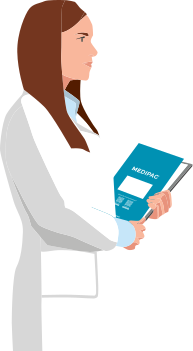
Professionals therefore need to work closely together to ensure that patients adhere to prescribed dosages. This is all the more true for patients suffering from neurodegenerative diseases or cognitive disorders. Pillboxes, particularly those developed by companies such as Medissimo 's Medipac, enable all medications to be grouped together in separate compartments, facilitating an overview for all those involved in the care process.
The role of physicians in managing complex treatments
Physicians are the backbone of cooperative care. They are responsible for prescribing treatments and adjusting doses according to changes in the patient's state of health. In polymedication situations, where several specialists are involved, communication between doctors is essential to avoid dosage errors or duplication of treatment.
The secure pillbox enables doctors to check that prescribed treatments are being followed, facilitating monitoring and communication with pharmacists and nurses. For example, a general practitioner can adjust a treatment after consulting the information reported by a home care nurse.
The role of pharmacists in medication management
Pharmacists also play a key role in treatment management. In addition to dispensing medication, they are responsible for therapeutic patient education, checking for drug interactions, and preparing pillboxes to ensure compliance. A weekly or daily pillbox, prepared in the pharmacy, allows you to structure the intake of tablets, capsules or other forms of medication, according to the days of the week.
Secure pillboxes, like those from Medipac, offer complete traceability. They enable pharmacists to check that patients have taken their doses correctly. In the event of a dosage error, the pharmacist can alert the patient or inform him/her of any adjustments to be made. This type of pill dispenser helps centralize all prescription information, facilitating smoother, more secure management.
The pharmacist's role goes beyond simple dispensing. They must ensure that treatments prescribed by several doctors are compatible, to prevent dangerous drug interactions. By organizing doses via a secure pill dispenser, the pharmacist helps to avoid undesirable effects linked to poor dose management.
The role of nurses in administering treatments
Nurses, whether in hospital or at home, are often responsible for administering medication. Particularly for elderly patients, those suffering from neurodegenerative diseases, or those with cognitive impairments, the use of a pill dispenser is essential to ensure that treatments are taken regularly and safely.
During home visits, nurses use pillboxes to keep track of dosing schedules and check that patients are adhering to their dosages. In polymedication situations, where several medications are prescribed simultaneously, the pillbox simplifies treatment administration. Nurses can also detect poor compliance more easily, thanks to the structured organization of medication.
Caregivers and pillbox management for dependent patients
Family or professional caregivers play an active role in the medication management of dependent patients suffering from chronic illnesses or cognitive disorders. These patients often find it difficult to follow their treatment on their own, making the use of a pillbox indispensable.
A daily or weekly pill dispenser enables caregivers to check that medication has been taken, reducing the risk of overdosing or missed doses. The secure pill dispenser offers even greater security, enabling caregivers to monitor medication intake in real time and react if schedules are not adhered to.
Solutions such as Medissimo Aidant enable finer management and more effective collaboration with professionals to adjust treatments to the patient's specific needs. This helps prevent complications due to poor compliance.
Technologies for cooperative care
The use of new technologies coupled with the secure pill dispenser is revolutionizing treatment management. Thanks to mobile applications and tracking platforms, professionals can monitor patients' medication in real time, and adjust treatments if necessary.
Technological advances also facilitate communication between the various players in the healthcare sector. Cooperation platforms enable doctors, nurses and pharmacists to share information, guaranteeing more coherent, personalized care.
Automatic alerts and reminders sent to patients via their connected devices help improve adherence to treatment, reducing the risk of medication errors and avoidable hospitalizations. These innovations contribute to more efficient and secure care management, while placing the patient at the center of his or her healthcare journey.
Companies like Medissimo offer connected solutions that centralize medication information and facilitate communication between caregivers. These innovations not only improve monitoring, but also prevent medication errors.
The benefits of pillboxes in the hospital environment
In hospital environments, where patient care must be fast and precise, the pill dispenser is a precious aid. It centralizes the dispensing of medication, avoiding errors when changing departments or transferring from one hospital to another.
The pill dispenser also facilitates medication management in emergencies or critical situations. For example, when time is of the essence, a pre-filled pill dispenser enables healthcare staff to administer the necessary medication immediately, without the risk of confusion.
How can pillboxes reduce medication errors in hospitals?
By organizing medication doses by day and by hour, the pill dispenser simplifies treatment management for hospital staff. This is particularly important in emergency departments, where medication errors can be frequent.
Pill dispensers are an essential part of cooperative care, particularly for patients with multiple medications or chronic illnesses. It simplifies the management of medical treatments, centralizing information and improving treatment follow-up. Thanks to innovative technologies and collaboration between doctors, pharmacists, nurses and caregivers, the pillbox coupled with digital technology guarantees greater patient safety and reduces the risk of medication errors.
Why is the pillbox important for cooperation between healthcare professionals?
The pill dispenser facilitates medication management by centralizing all prescriptions in a clear, organized format. This enables various healthcare professionals, such as doctors, nurses and pharmacists, to quickly consult the current treatment.
How does the pillbox improve communication between healthcare professionals?
The pill dispenser provides an overview of current treatments, facilitating communication between caregivers. In the event of patient transfer, for example during hospitalization or evacuation, medication information is immediately accessible.
To what extent do pillboxes reduce medication errors in hospitals?
The pill dispenser reduces medication errors by organizing doses by day and time, which is vital in emergency departments. When medications are pre-filled in a pillbox, hospital staff can administer doses more efficiently and safely, without having to manually reconstitute treatments.
How does the pill dispenser contribute to the traceability of medicines in the care pathway?
Pill dispenser preparation by healthcare professionals ensures complete traceability of medication. Each dose is labeled, enabling medical teams to easily check the treatment in progress, even during transfers between different departments or establishments, thus guaranteeing rigorous prescription management.